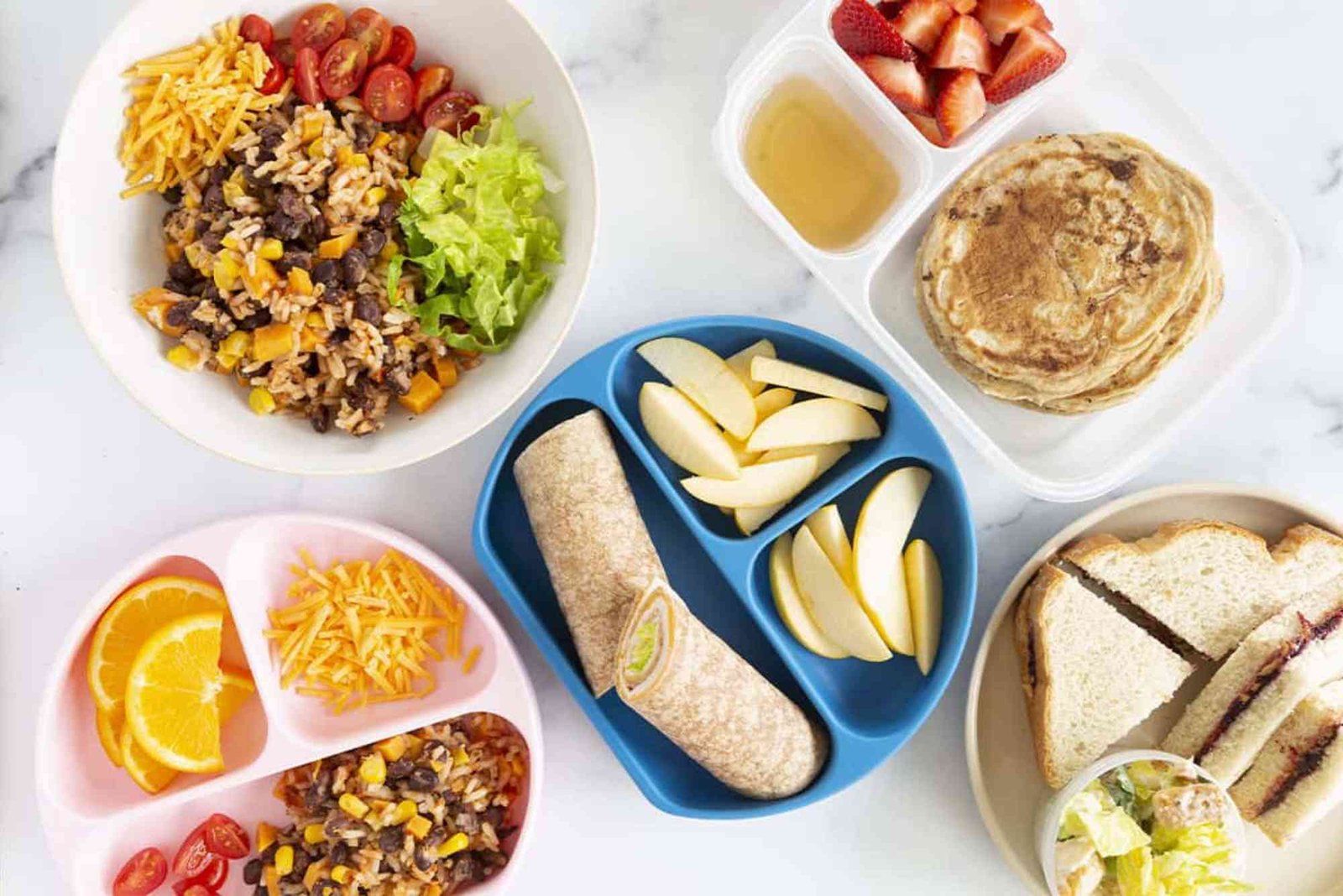

Cooking meals that please every palate can feel overwhelming, especially when dietary needs, flavor preferences, and cultural tastes vary widely. Yet with thoughtful preparation, a few smart strategies, and a willingness to adjust on the fly, you can create dishes that truly resonate with your family and guests. In this guide on how to cook food that everyone will enjoy, we’ll walk through practical approaches that keep flavor, texture, and balance at the forefront.
Whether you’re hosting a dinner party or preparing a weeknight meal, this expert advice will help you navigate choices and ensure your food becomes something people remember — and ask for again.
Understanding What “Everyone” Means
To cook food that everyone will enjoy, you first need to appreciate that “everyone” rarely means exactly the same thing to each person. Taste preferences vary, dietary needs differ, and cultural background plays a large role in what someone finds appealing.
For example, someone who grew up eating spicy cuisine might expect bold flavors, while others may prefer milder profiles. Similarly, food allergies or intolerances — such as gluten sensitivity or lactose intolerance — require thought and adaptability in recipes.
That said, the goal isn’t to entirely satisfy every possible preference, but instead to create meals with flexible elements and universally pleasing foundations.
The Importance of Flavor Balance
Flavor balance is at the heart of cooking food others will enjoy. When dishes balance salty, sweet, sour, and umami components, they tend to feel more satisfying and complete. Use natural sweetness from vegetables or fruits to temper acidity or spice. Enhance depth with umami‑rich ingredients, such as tomatoes, mushrooms, or aged cheeses.
When you taste as you cook and adjust with simple ingredients like lemon juice, herbs, or a touch of salt, you elevate a recipe from ordinary to memorable.
Texture and Temperature Matter
In addition to flavor, texture and temperature influence enjoyment. A perfectly cooked piece of fish with a tender interior and crisp exterior delights more than one that is soggy or overdone. Similarly, warm, freshly prepared food often feels more comforting and inviting than cold leftovers (unless the dish calls for it).
By planning the order of preparation — and serving items at the ideal temperature for their style — you reinforce the quality and enjoyment of each bite.
Essentials Before You Start Cooking
Before you turn on the stove, there are several steps you can take to ensure success.
Think ahead about who you’re cooking for. Ask about allergies, intolerances, and strong dislikes. Then choose recipes with options — or easily adaptable components — to respect everyone’s needs.
For example, a pasta dish can easily be made gluten‑free by swapping regular noodles for ones made from rice or legumes. A salad can be split so one section includes cheese for those who enjoy dairy and another remains dairy‑free.
Choosing Versatile Ingredients
Some ingredients naturally appeal to more people than others, including staples like chicken, rice, potatoes, and seasonal vegetables. Using familiar components as your base gives you a strong foundation while still allowing creative variations.
Meanwhile, herbs like parsley, basil, and cilantro enhance flavor without overpowering. Citrus zest and juice bring brightness that livens up many dishes, from grilled meats to roasted vegetables.
Incorporating Color and Freshness
Visual appeal plays a surprising role in food enjoyment. Colorful plates feel more vibrant and appetizing. When you include a mix of bright vegetables — such as bell peppers, greens, and carrots — alongside proteins and grains, you create a feast for the eyes and the palate.
Freshness also signals quality. Fresh herbs, just‑picked produce, and properly stored ingredients contribute to enhanced flavor and texture.
Mastering Simple Techniques for Better Results
Techniques matter as much as ingredients when it comes to cooking food that everyone will enjoy. Learning basic methods like searing, roasting, and deglazing can dramatically improve your dishes.
For instance, searing meat at a high temperature locks in juices and creates flavor‑rich browning. Roasting vegetables at high heat caramelizes their natural sugars and brings out deep, complex tastes. Deglazing a pan with wine or broth lifts concentrated flavor bits from the bottom, creating a rich base for sauces.
When you take the time to learn these fundamental techniques, your confidence grows — and so does the consistency of your results.
How to Adjust Seasoning Like a Pro
Seasoning is a skill, not just an afterthought. Too much salt can overpower, while too little makes food seem flat. The trick is to season incrementally and taste frequently.
Start with a small amount of salt and pepper, then build. Add acidity — like lemon or vinegar — to elevate flavors without adding fat. Freshly ground spices make a noticeable difference compared to pre‑ground options stored for long periods.
Remember, seasoning pauses the moment before you serve. A final squeeze of citrus or sprinkle of flaky salt just before plating can brighten every bite.
Preparing Meals for Diverse Diets
With dietary needs more varied than ever, learning how to cook food everyone will enjoy includes embracing flexibility. Rather than forcing single‑recipe rigidity, think modularly.
Let’s say you’re preparing a Mexican‑inspired feast. Cook the base components — seasoned beans, sautéed peppers, rice, grilled chicken, and homemade salsa — in bulk. Then let guests assemble their own bowls. Offer gluten‑free tortillas, dairy‑free cheese, and mild to spicy salsa options. This approach uses a shared foundation while giving individuals control over what lands on their plate.
Making Meals Kid‑Friendly (Without Sacrificing Flavor)
Children often prefer simpler flavors, but that doesn’t mean food has to be bland. Incorporate familiar favorites with subtle enhancements. For instance, make homemade mac and cheese using whole‑grain pasta, real cheese, and a hint of mustard powder to deepen flavor without adding heat.
Also, encourage kids to select toppings or mix‑ins, like steamed broccoli or diced tomatoes. Involving them in the process often increases their willingness to try new foods.
Elevating Everyday Meals
You don’t need complex recipes or fancy equipment to cook food that everyone will enjoy. Even everyday dinners can feel special when you use quality ingredients, purpose‑driven techniques, and thoughtful presentation.
Consider classic dishes like roast chicken or spiced chickpea curry. With minimal effort, these crowd‑pleasers deliver layers of flavor that appeal to many tastes. Balance proteins with vegetables and grains so plates feel complete and satisfying.
When you serve meals family‑style, encourage conversation around the table. Shared dining deepens connection and enhances the overall experience.
How to Handle Special Occasions
On special occasions, expectations are higher and the pressure to please grows. Yet the same principles of flavor balance and thoughtful preparation still apply. Begin by selecting a centerpiece dish that sets the tone — whether that’s a perfectly roasted prime rib or a vibrant vegetable terrine.
Build sides and accompaniments that complement but don’t compete. For example, pairing a rich protein with a bright salad and a silky mash creates pleasing contrast. Avoid recipes with overly strong or polarizing flavors unless you know your guests well.
Also, plan cooking timelines carefully. You want dishes to reach the table at their peak. Consider prepping components in advance to reduce stress and allow yourself to be present with guests.
How to Adapt When Things Don’t Go Perfectly
Even experienced cooks face mishaps. Perhaps the gravy is too thin or the roasted vegetables are a shade too done. What matters is how you adapt.
If a sauce lacks body, simmer it gently to reduce and thicken. If vegetables overcook, toss them with a splash of olive oil, lemon, and herbs to refresh their taste. Think of cooking as problem‑solving rather than perfection.
Meanwhile, remain gracious — both to yourself and your guests. A warm atmosphere and positive attitude often matter more than flawless execution.
Bringing It All Together
Cooking food that everyone will enjoy is not about creating a universal recipe that pleases every single palate. Instead, it’s about understanding flavors, respecting diversity of taste and needs, and being thoughtful in your choices. When you bring skillful seasoning, balanced techniques, fresh ingredients, and flexibility to your kitchen, your meals become more than nourishment. They become moments of joy.
Frequently Asked Questions
How can I cook food that people with allergies can enjoy too?
When creating meals for people with allergies, identify the allergens early and choose substitutions. For gluten intolerance, use certified gluten‑free grains like quinoa or rice. For dairy sensitivities, try plant‑based milks and oils. Always ask guests about restrictions before planning a menu to ensure safety and enjoyment.
What are the easiest ways to add flavor without adding spice?
If you want flavor without heat, focus on aromatics like garlic, onions, herbs, and citrus zest. Acids such as lemon juice or vinegar brighten dishes, while umami‑rich ingredients like mushrooms and tomatoes deepen complexity. These elements add richness without chili heat.
How do I make a meal that’s healthy and still enjoyable?
Balance is key. Incorporate lean proteins, healthy fats, and plenty of colorful vegetables. Light seasonings, roasting techniques, and fresh herbs elevate healthy ingredients so they don’t feel bland. Think of nutrition as a base layer and flavor as the enhancement.
Best Food Recipes for Small Family Meals Cooking for a small family can be fun and stress-free with the right recipes. Quick, flavorful dishes like one-pot pastas, sheet-pan dinners, and stir-fries save time while minimizing waste. These meals are easy to customize, nutritious, and perfect for creating cozy, satisfying family dinners without leftovers piling up.