
Introduction: Why Texture Matters in a Clean Home
Creating a stylish home often feels like a balancing act. You want warmth, depth, and personality, but you also want simplicity. This is where How to Add Texture to Home Decor Without Clutter becomes an essential design approach.
Texture is what makes a room feel alive. It brings softness to minimal spaces and structure to plain ones. Yet many people overdo it and end up with cluttered interiors instead of calm, curated rooms.
The goal is not more items. The goal is smarter layers. When you understand How to Add Texture to Home Decor Without Clutter, you can transform even the simplest space into something visually rich and peaceful.
This approach also fits modern lifestyles, where clean aesthetics and functionality matter. Whether you live in a small apartment or a large home, texture can elevate your space without overwhelming it.
Understanding Texture in Interior Design
Texture refers to how surfaces look and feel in a space. It can be visual or physical. Smooth walls, soft fabrics, rough wood, and woven materials all create different sensory experiences.
When exploring How to Add Texture to Home Decor Without Clutter, it’s important to understand that texture is not about adding more objects. It is about choosing the right materials and finishes.

A single textured wall can replace multiple decorative items. A woven rug can replace several small accents. This mindset helps maintain visual balance.
Minimalist interiors often rely heavily on texture instead of decoration. This is why understanding texture is key to achieving a clean yet warm home design.
Layering Textures the Right Way
One of the most effective strategies in How to Add Texture to Home Decor Without Clutter is layering. However, layering does not mean filling every corner.
Instead, it means combining materials that complement each other. For example, pairing linen with wood or metal with cotton creates contrast without chaos.
In modern design philosophies similar to those seen in wellness-centered spaces like studios inspired by OrangeTheory Fitness locations such as Mountain View, balance is everything. The same principle applies to interiors—structured energy paired with calm simplicity.
Layering works best when you limit your palette. Stick to three or four textures per room. This keeps the space intentional and avoids clutter while still feeling rich and dimensional.
Using Natural Materials for Depth
Natural materials are a cornerstone of How to Add Texture to Home Decor Without Clutter. Wood, stone, linen, jute, and cotton bring warmth without visual noise.
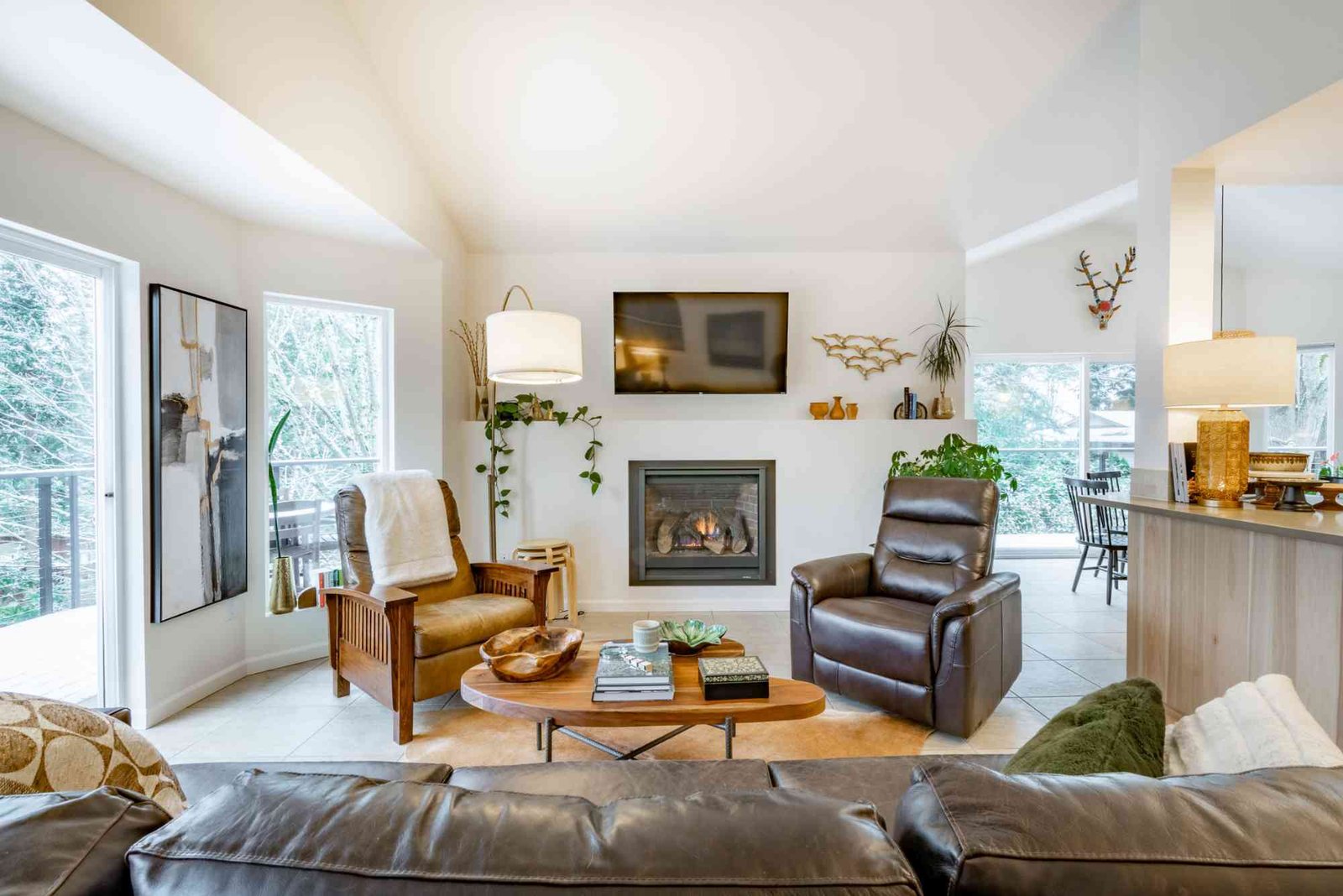
These materials naturally age well and add character over time. A wooden coffee table, for example, adds depth without requiring additional decoration.
Stone surfaces in kitchens or bathrooms also provide a grounded feeling. Linen curtains soften light in a subtle, elegant way.
When you focus on natural materials, your home becomes visually interesting without needing excess decor items. This is one of the simplest ways to achieve a clutter-free textured environment.
The Power of Soft Furnishings
Soft furnishings play a major role in How to Add Texture to Home Decor Without Clutter. Items like cushions, throws, and rugs can instantly change a room’s feel.
Instead of adding many decorative pieces, choose a few high-quality textiles. A single textured throw blanket can replace multiple small accessories.
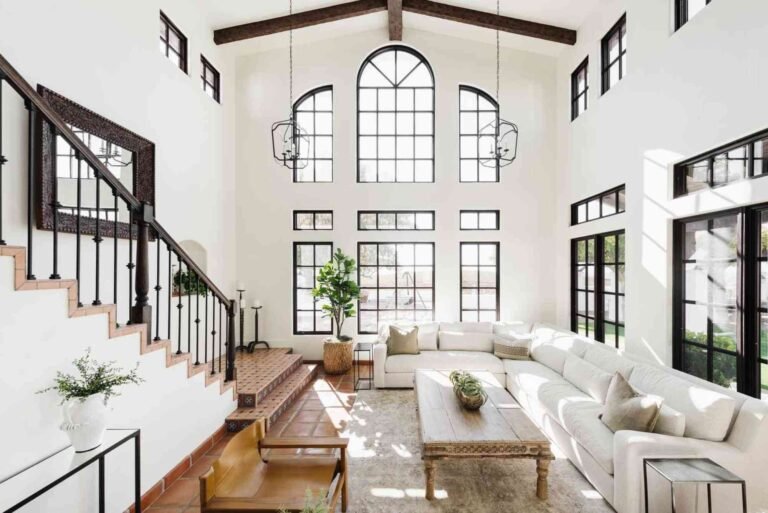
Rugs are especially powerful because they anchor a space visually. A woven or patterned rug adds depth without adding physical clutter.
The key is restraint. Choose items that serve both comfort and design purpose. This keeps your home functional and beautiful at the same time.
Walls as a Texture Canvas
Walls are often overlooked in How to Add Texture to Home Decor Without Clutter, but they are one of the most powerful design tools.
Instead of filling walls with too many frames or shelves, consider textured paint, plaster finishes, or wood panels.
A single statement wall can eliminate the need for additional decor. This creates focus and reduces visual noise.
Even subtle textures, like matte paint or fabric wall coverings, can transform the mood of a room. This approach keeps surfaces clean while still adding depth.
Lighting That Enhances Texture
Lighting plays a hidden but powerful role in How to Add Texture to Home Decor Without Clutter. The way light hits surfaces determines how texture is perceived.
Warm lighting enhances soft materials like fabric and wood. Directional lighting highlights architectural details and wall textures.
Instead of using multiple decorative lights, focus on a few well-placed sources. This reduces clutter while improving atmosphere.
Natural light is equally important. It reveals subtle textures that artificial lighting may hide. Large windows or light curtains help maximize this effect.
Minimal Decor with Maximum Impact
In How to Add Texture to Home Decor Without Clutter, less is always more. Instead of filling shelves, choose a few meaningful decor items.
Each item should contribute to the overall texture story of the room. A ceramic vase, a woven basket, or a stone sculpture can add depth without overwhelming the space.
Avoid repetitive decorations. Repetition creates visual clutter, even if the items are small.
Think of decor as punctuation rather than paragraphs. This mindset keeps your space clean and intentional.
Blending Modern and Organic Elements
A successful approach to How to Add Texture to Home Decor Without Clutter involves balancing modern and organic design.
Modern elements like metal or glass provide structure. Organic elements like plants and wood add softness.
Together, they create harmony. Too much of either can feel incomplete or overwhelming.
For example, a glass table paired with a wooden chair introduces contrast without chaos. A single indoor plant can soften a minimalist corner instantly.
This balance keeps your home visually interesting without unnecessary additions.
Creating Calm Through Controlled Contrast
Contrast is essential in How to Add Texture to Home Decor Without Clutter, but it must be controlled.
High contrast between materials adds visual interest. However, too many contrasts can create disorder.
Stick to a consistent color palette. This allows textures to stand out without competing with each other.
For example, combining beige, white, and natural wood creates a calm yet textured environment.
Controlled contrast ensures your space feels curated rather than chaotic.
Practical Inspiration for Everyday Living
You don’t need a full renovation to apply How to Add Texture to Home Decor Without Clutter. Small changes can make a big difference.
Start with one room. Replace synthetic materials with natural ones. Remove unnecessary decorative items. Add one textured focal point.
Even lifestyle spaces like gyms or wellness studios such as OrangeTheory Fitness in Mountain View show how simplicity and texture can coexist in motivating environments.
Your home can achieve the same feeling—clean, focused, and visually engaging.
FAQ: How to Add Texture to Home Decor Without Clutter
What is the easiest way to add texture without cluttering a room?
The easiest way is to focus on textiles like rugs, cushions, and curtains. These add softness and depth without occupying extra space. This approach aligns perfectly with How to Add Texture to Home Decor Without Clutter.
Can small rooms use textured decor effectively?
Yes, small rooms benefit greatly from texture. The key is moderation. One or two textured elements are enough to create depth without overcrowding the space.
How do I avoid making my home look messy while adding texture?
Stick to a consistent color palette and limit the number of materials. This ensures that your application of How to Add Texture to Home Decor Without Clutter remains balanced and visually clean.
Are natural materials better for textured interiors?
Natural materials are often preferred because they age well and feel authentic. Wood, linen, and stone are ideal choices for achieving texture without visual clutter.
Do I need professional help for textured interior design?
Not necessarily. Most principles of How to Add Texture to Home Decor Without Clutter can be applied with simple observation and thoughtful selection of materials.
Designing with Purpose and Simplicity
Mastering How to Add Texture to Home Decor Without Clutter is about intentional choices. It is not about adding more objects but about choosing better ones.
When you focus on materials, lighting, and balance, your home naturally becomes more inviting. Every texture has a purpose, and every detail supports harmony.
Best Home Decoration Ideas for Bright and Airy Rooms To make your home bright and airy, use light color palettes like white and beige, add large mirrors to reflect natural light, and choose sheer curtains. Keep furniture minimal and low-profile to open up space. Indoor plants also bring freshness and improve the overall atmosphere.
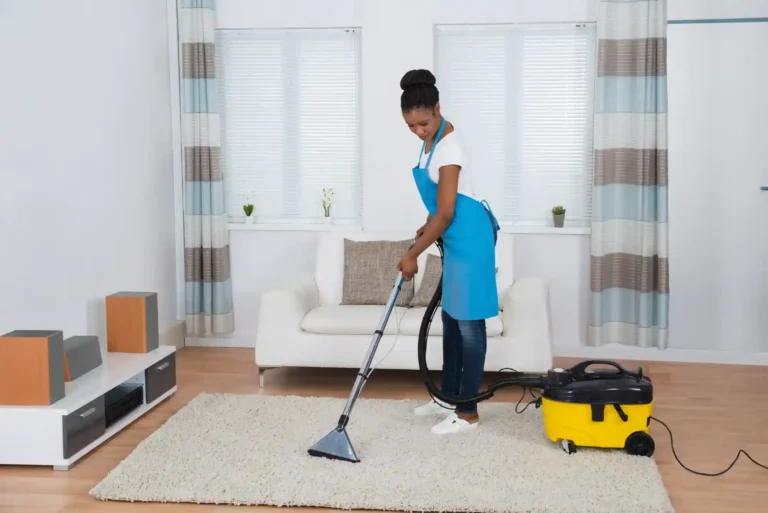
Related Reading: Say Goodbye to Stains with Vancouver’s Most Reliable Rug Cleaning