
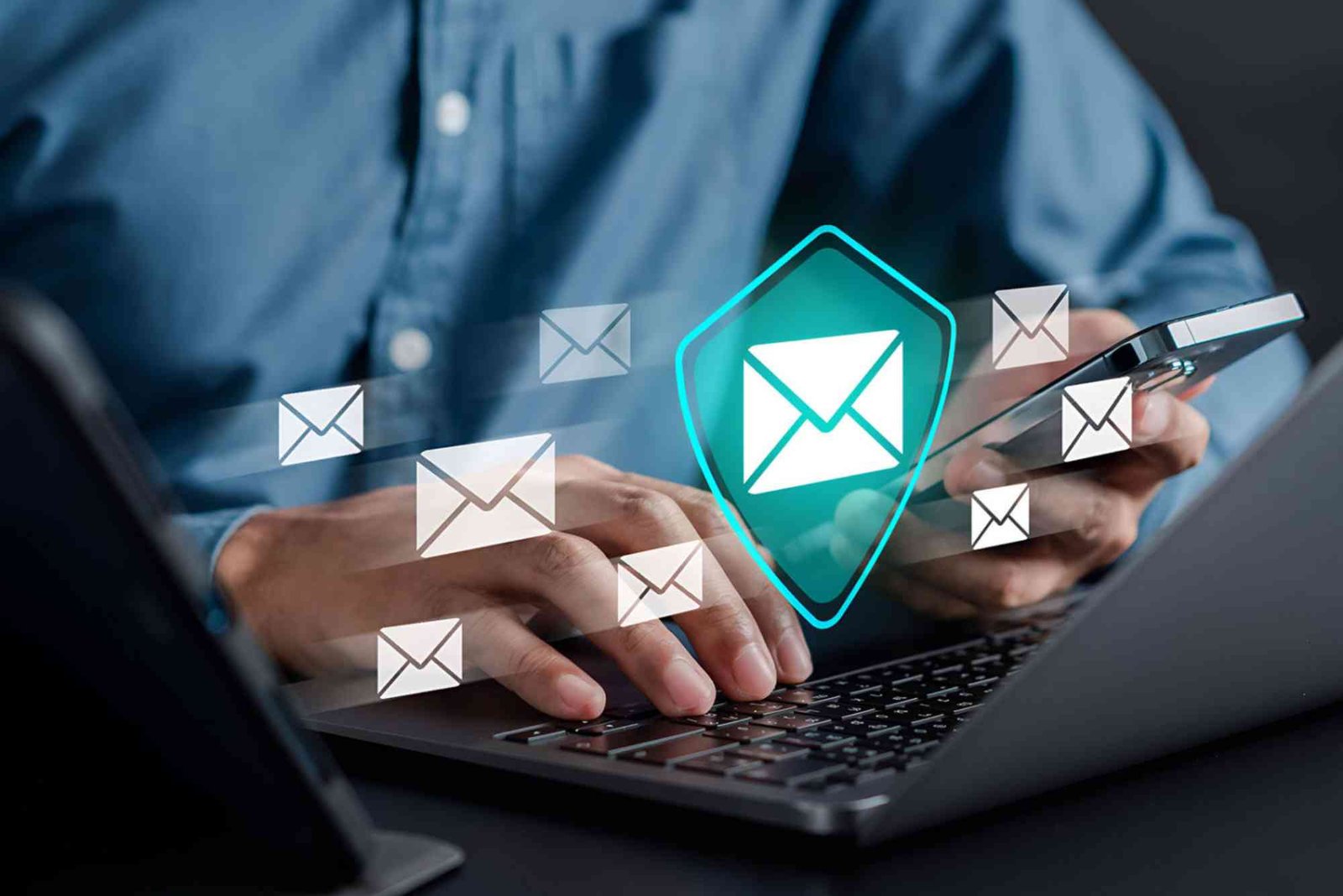
Email remains the cornerstone of business communication, yet it is also one of the most vulnerable channels for cyberattacks. Phishing scams, malware, and data breaches are increasingly sophisticated, making it crucial for businesses to adopt robust email security practices. Understanding the best practices for email security in business not only protects sensitive information but also ensures compliance and maintains client trust.
Understanding the Importance of Email Security in Business
Businesses today rely heavily on email for internal communication, client interactions, and even financial transactions. However, email is often targeted by cybercriminals because of the wealth of information it carries. Compromised email accounts can lead to data leaks, financial fraud, and reputational damage. Investing in strong email security measures safeguards not just the business but also its employees, partners, and customers. Beyond cybersecurity, it ensures business continuity, as email disruption can halt critical operations and delay decision-making processes.
Implementing Strong Password and Authentication Policies
One of the simplest yet most effective methods to enhance email security is enforcing strong passwords. Weak or reused passwords are easy targets for hackers using brute-force attacks. Businesses should require complex passwords that include a combination of letters, numbers, and special characters. Beyond passwords, implementing multi-factor authentication (MFA) adds an additional layer of protection. MFA requires users to verify their identity using a second factor, such as a code sent to a mobile device. This approach significantly reduces the risk of unauthorized access, even if a password is compromised.
Securing Email Infrastructure with Encryption
Email encryption is essential for protecting sensitive information in transit. It ensures that messages are unreadable to anyone other than the intended recipient. Secure email protocols, such as Transport Layer Security (TLS), should be implemented for all outgoing and incoming emails. End-to-end encryption provides an additional safeguard, particularly when sharing confidential documents or financial data. By integrating encryption into business email systems, companies reduce the risk of data interception and enhance overall trust with clients and partners.
Educating Employees on Cybersecurity Threats
Even the most advanced security systems cannot fully protect a business if employees are unaware of potential threats. Regular training on identifying phishing attempts, suspicious attachments, and social engineering tactics is essential. Employees should be encouraged to verify unexpected emails before opening attachments or clicking links. Establishing a culture of cybersecurity awareness within the company strengthens its overall defence. Clear communication channels for reporting suspicious activity also empower employees to act quickly and prevent breaches.
Monitoring and Responding to Suspicious Activity
Proactive monitoring of email activity is another critical component of effective security. Businesses should track unusual login attempts, large outbound messages, and unexpected changes in email behaviour. Security teams must be prepared to respond immediately to suspicious activity to minimise potential damage. Incident response plans should include steps for isolating affected accounts, notifying stakeholders, and investigating the source of the breach. Regular audits and monitoring ensure that vulnerabilities are detected before they escalate into major incidents.

Protecting Against Malware and Phishing Scams
Phishing and malware attacks are among the most common threats targeting business emails. Cybercriminals often disguise malicious links or attachments as legitimate communications. Using advanced email filters and anti-malware tools can help identify and block these threats before they reach the inbox. Employees should also be trained to recognise warning signs of phishing, such as urgent requests for sensitive information or emails from unfamiliar senders. A combination of technical controls and human vigilance is the most effective strategy against these attacks.
Regular Software Updates and Security Patches
Outdated software can leave email systems vulnerable to exploitation. Businesses must ensure that all email platforms and associated applications are regularly updated. Security patches released by software providers address known vulnerabilities and strengthen the system against new threats. Automating updates and integrating them into IT workflows reduces the risk of human error and ensures that protection measures remain current. Keeping systems up-to-date demonstrates a proactive approach to email security and compliance with industry standards.
Using Secure Email Gateways and Spam Filters
Secure email gateways act as an additional layer of defence, filtering out malicious content and spam before it reaches employees’ inboxes. These gateways analyse email traffic for patterns associated with phishing or malware. By reducing the volume of dangerous emails, businesses minimise the likelihood of accidental breaches. Integrating these gateways with existing security infrastructure provides a comprehensive shield for email communications, combining technology with human oversight to maintain high levels of security.
Backing Up Email Data Regularly
Email backups are often overlooked but are vital for business continuity. In the event of a cyberattack, data loss, or system failure, having recent backups ensures that critical communications and documents can be restored quickly. Cloud-based backup solutions offer automated processes that safeguard email archives without manual intervention. By implementing a robust backup strategy, businesses can mitigate the impact of security incidents and maintain uninterrupted operations.
Ensuring Compliance with Regulations
Businesses must also consider legal and regulatory requirements related to email security. Many industries are governed by strict data protection laws, such as GDPR or HIPAA, which dictate how sensitive information should be handled. Ensuring compliance not only protects the business from legal penalties but also demonstrates accountability to clients and stakeholders. Regular audits and policy reviews help maintain alignment with evolving regulations, strengthening overall trust in the organisation.
Encouraging a Culture of Continuous Improvement
Email security is not a one-time task but an ongoing commitment. Cyber threats evolve rapidly, requiring businesses to regularly reassess policies, tools, and employee practices. Encouraging a culture of continuous improvement allows organisations to adapt to emerging risks and integrate new technologies effectively. Regular reviews, feedback loops, and security drills ensure that employees remain vigilant and systems stay resilient.
Strengthening Your Business with Robust Email Security
Email security is a critical aspect of modern business operations. By implementing strong passwords, encryption, employee training, and proactive monitoring, companies can protect sensitive information and maintain operational integrity. Integrating secure gateways, software updates, and regulatory compliance further enhances email resilience. Prioritising email security is not just a technical decision; it is a strategic approach to safeguarding the business and building trust with clients. Start today by reviewing your email policies and investing in technologies that provide real protection.
Frequently Asked Questions (FAQ)
Why is email security important for businesses?
Email security protects sensitive information from cyberattacks, prevents financial fraud, and ensures continuity of operations.
What is the most effective way to prevent phishing attacks?
Combining advanced email filters with employee training is the most effective strategy to prevent phishing attacks.
How often should businesses update their email software?
Email software should be updated as soon as security patches are released, ideally with automated updates enabled.
Can encryption fully protect business emails?
While encryption significantly reduces risk, it works best alongside other security measures like MFA and secure gateways.
What role do employees play in email security?
Employees act as the first line of defence by recognising threats, reporting suspicious activity, and adhering to security policies.
How to Secure Cloud-Based Applications Securing cloud-based applications requires a multi-layered approach. Start with strong authentication, encrypt data in transit and at rest, and implement regular security updates. Monitor access logs, apply least-privilege policies, and use firewalls and intrusion detection. Combining these measures ensures your cloud apps remain protected from evolving threats.
Related Reading: How to Improve Your Business with Data Analytics